نامه بیش از ۱۰۰ هزار جوان نسل زدی به سازمان ملل درباره تجاوزات آمریکا و اسراییل به ایران
بیش از ۱۰۰ هزار نفر از جوانان نسل زد در نامهای به دبیرکل سازمان ملل متحد و و رئیس دفتر امور جوانان سازمان ملل متحد با شرح گزارشی از خسارات و آسیبهای جانی و مالی ناشی از تجاوز دشمن خواستار محکومیت صریح این تجاوز و اقدام ضدحقوق بشری شدند.
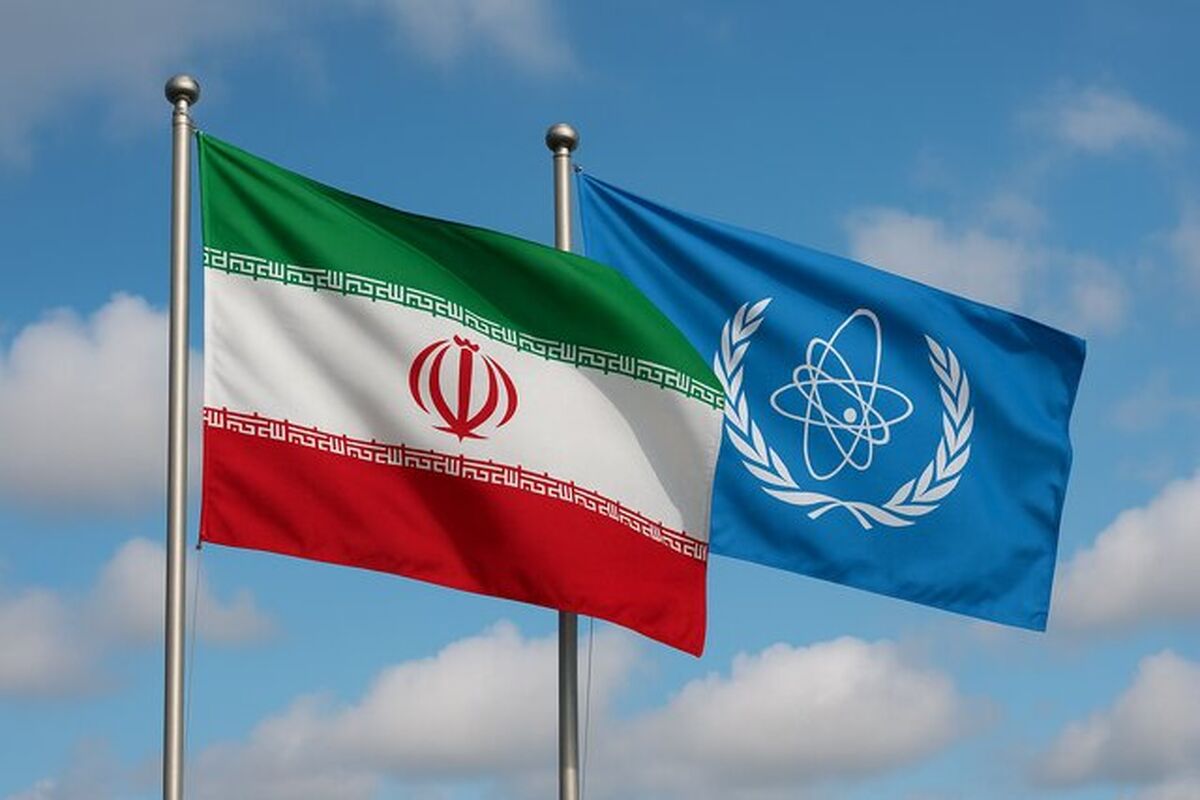
بیش از ۱۰۰ هزار نفر از جوانان نسل زد در نامهای به دبیرکل سازمان ملل متحد و و رئیس دفتر امور جوانان سازمان ملل متحد با شرح گزارشی از خسارات و آسیبهای جانی و مالی ناشی از تجاوز دشمن خواستار محکومیت صریح این تجاوز و اقدام ضدحقوق بشری شدند.
نامه جمعی از جوانان و نوجوانان نسل زد درباره حملات متجاوزانه به ایران
به: - دفتر دبیرکل سازمان ملل متحد
جناب آقای آنتونیو گوترش - دبیرکل محترم سازمان ملل متحد
- دفتر امور جوانان سازمان ملل متحد
جناب آقای فیلیپه پاولیه - رئیس محترم دفتر امور جوانان سازمان ملل متحد
عالیجنابان؛
صبح روز شنبه ۹ اسفند 1404 (۲۸ فوریه ۲۰۲۶)، چندین نقطه در سراسر جمهوری اسلامی ایران، از جمله مراکز کلیدی حاکمیتی و دولتی در سطح ملی، در مجموعهای از حملات نظامی هدفمند و سازمانیافته از سوی دولت ایالات متحده آمریکا و رژیم صهیونیستی مورد هدف قرار گرفت. در ادامه این سلسله حملات نیز در روزهای بعد، مناطق مختلف غیرنظامی و زیرساختهای حیاتی در چندین استان کشور هدف حملات ددمنشانه قرار گرفتند. ابعاد انسانی این حملات، بهویژه برای کودکان، نوجوانان و جوانان، بسیار نگرانکننده است.
جوانان و نوجوانان یکی از ارکان حیاتی توسعه انسانی، پیشرفت اجتماعی و صلح پایدار در جهان به شمار میآیند. جامعه بینالمللی بارها از طریق فرآیندهایی همچون «دستورکار 15 ساله برای توسعه پایدار (SDGs)» و «راهبرد جوانان سازمان ملل» بر این واقعیت تأکید کرده است که تضمین رشد، یادگیری و مشارکت جوانان در محیطهایی امن، باثبات و سالم، یک نیاز اساسی است. حفاظت از جان، سلامت و فرصتهای آینده جوانان نهتنها مسئولیتی ملی، بلکه تعهدی جمعی از سوی جامعه بینالمللی است.
اما در شرایط جنگی و وقوع درگیریهای مسلحانه، جوانان و نوجوانان، کودکان و دانشآموزان، در زمره آسیبپذیرترین اقشار جامعه قرار میگیرند. اختلال در آموزش، تخریب زیرساختهای اجتماعی، آسیبهای جدی به محیط زیست، آسیبهای روانی و تهدید مستقیم جان و امنیت آنها، میتواند پیامدهایی ویرانگر و ماندگار برای یک نسل در پی داشته باشد.
پیرو موارد اشارهشده، گزارشهای ذیل به تشریح وقایع رخداده در پی حملات مشترک ایالات متحده و رژیم صهیونیستی میپردازد:
تا امروز بیش از 53 کودک زیر پنج سال و دستکم 1510 نفر کودک و نوجوان زیر از جمله شمار قابل توجهی دانشآموزان در میان مجروحان هستند. در میان شهدا و جانباختگان، دستکم 13 کودک زیر پنج سال و بیش از ۲۲۰ نفر کودک و نوجوان زیر ۱۸ سال سن وجود دارد. در میان این موارد، حمله مستقیم دولت ایالات متحده با استفاده از دو موشک تاماهاوک به مدرسه دخترانه شجره طیبه در شهر میناب، در میانه ساعات کاری و همزمان با برگزاری کلاسها، منجر به جانباختن بیش از ۱۶۵ دختربچه دانشآموز و جمعی از معلمان شد که بسیار تأسفبار و هولناک است. در مجموع، بر اساس آخرین گزارشها، تعداد کل جانباختگان و شهدا حداقل به ۱۴۰۰ نفر رسیده است.
ابعاد جغرافیایی و میزان تخریب زیرساختها نیز بسیار گسترده، تأسفبار و نگرانکننده است. گزارشها حاکی از آن است که ۲۹ استان از ۳۱ استان کشور تحت تأثیر مستقیم قرار گرفتهاند. به گزارش هلال احمر، در مجموع بیش از 70000 واحد غیرنظامی آسیب دیدهاند که شاملواحدهای مسکونی، تجاری، اداری، تولیدی و صنعتی غیرنظامی است. علاوه بر این، بیش از 500 مدرسه در سراسر کشور تا لحظه تنظیم این بیانیه بهصورت مستقیم یا غیرمستقیم هدف حملات قرار گرفتهاند.
مراکز و سامانههای امداد و فوریتهای پزشکی نیز خسارات سنگینی دیدهاند. بیش از 268 بیمارستان، پایگاه اورژانس، مرکز بهداشت و درمان و مرکز امدادی هلالاحمر از بین رفته یا آسیب دیده و حداقل 36 خودروی امدادی آمبولانس از بین رفته یا آسیب دیدهاند. بیش از 22 پزشک یا پرستار در حین انجام وظیفه برای نجات جان دیگران جانباخته و حداقل 104 نفر دیگر مجروح شدهاند.
این رویدادها نگرانیهای جدی را در چارچوب حقوق بینالملل بشردوستانه برمیانگیزند. هر چهار کنوانسیون ژنو ۱۹۴۹، به ویژه کنوانسیون چهارم (مربوط به حمایت از اشخاص غیرنظامی در زمان جنگ)، تعهدات روشنی را در زمینه حفاظت از جمعیت غیرنظامی و اموال غیرنظامی در شرایط درگیری مسلحانه تعیین میکنند. پروتکل الحاقی اول آن مصوب ۱۹۷۷ نیز به روشنی بر لزوم حفاظت از واحدهای درمانی، کارکنان نهادهای بشردوستانه و زیرساختهای غیرنظامی تأکید دارد.
اصول مسلّم و بنیادی حقوق بشردوستانه بینالمللی، ایجاب میکند که طرفهای درگیر همواره میان اهداف نظامی و غیرنظامی تمایز قائل شوند. حملات علیه مناطق مسکونی، بیمارستانها، مدارس، میراث تاریخی و فرهنگی و مراکز امدادی، مزموم و غیرقابل توجیه است. برای مثال بر اساس در اساسنامه دیوان کیفری بینالمللی، حمله عمدی علیه غیرنظامیان، تأسیسات درمانی، امدادگران یا زیرساختهای غیرنظامی محافظتشده، میتواند مصداق جنایت جنگی باشد. علاوه بر این، کنوانسیون حقوق کودک (۱۹۸۹) جامعه بینالمللی را موظف میدارد تا بقای کودکان را تضمین نموده و در شرایط وقوع درگیریهای مسلحانه، تمامی اقدامات ممکن را برای حمایت ا ز آنان به عمل
آمل آورد. بنابراین، حجم جنایات و خسارت وارده به کودکان و دانشآموزان در این حملات مستلزم توجه فوری جامعه بینالمللی است.
علاوه بر صدمات و تلفات انسانی و خسارات وارده به اموال و زیرساختهای غیرنظامی، گزارشهای نگرانکنندهای نیز درباره خسارتهای مستقیم و غیرمستقیم ناشی از حملات مشترک ایالات متحده و رژیم صهیونیستی به برخی از مهمترین آثار تاریخی و میراث فرهنگی ایران وجود دارد. این آثار نه تنها بخشی از هویت تاریخی و فرهنگی ملت ایران هستند، بلکه بخش ارزشمندی از میراث مشترک بشریت به شمار میآیند.
در میان این آثار، مجموعهای از بناها و محوطههای تاریخی ثبتشده در فهرست آثار ملی ایران قرار دارند که برخی از آنها در فهرست میراث جهانی یونسکو به ثبت رسیدهاند. از جمله این مکانها میتوان در تهران مجموعه تاریخی کاخ گلستان (ثبت جهانی یونسکو در سال ۲۰۱۳)، ارگ تاریخی، بازار تاریخی، کاخ مرمر، عمارت تاریخی شهربانی، ساختمان تاریخی سنا، مسجد سپهسالار، کاخموزه فرحآباد، در اصفهان به مجموعه تاریخی میدان نقش جهان (ثبت جهانی یونسکو در سال ۱۹۷۹)، مجموعه تاریخی کاخ چهلستون (ثبت جهانی یونسکو در سال ۲۰۱۱)، مسجد جامع عباسی و بخشهایی از بافت تاریخی شهر، در کردستان به عمارت سالارسعید (موزه باستانشناسی سنندج)، موزه خسروآباد و عمارت آصف وزیری، در لرستان به دژ تاریخی فلکالافلاک و موزههای آن، در کرمانشاه به تکیه تاریخی بیگلربیگی و دبیرستان تاریخی کزازی، در بوشهر به عمارت تاریخی سبزآباد و خانه تاریخی وایتهاوس و... تا لحظه تنظیم این بیانیه اشاره کرد.
بر اساس حقوق بینالملل بشششردوستانه، آثای و اموال فرهنگی و تاریخی از حمایت ویژه برخوردارند. کنوانسیون لاهه ۱۹۵۴ و پروتکلهای الحاقی آن برای حمایت از میراث و اموال فرهنگی در صورت مخاصمه مسلحانه، دولتها و طرفهای درگیر را موظف میکند از هرگونه حمله یا تخریب بناهای تاریخی، موزهها، کتابخانهها، اماکن مذهبی و سایر آثار فرهنگی خودداری کنند و همچنین هرگونه اقدام خصمانه علیه آثار تاریخی، آثار هنری یا اماکن مذهبی که میراث فرهنگی و معنوی ملتها محسوب میشوند را ممنوع اعلام میکند.
علاوه بر موارد فوق، حملاتی نسبت به زیرساختهای انرژی غیرنظامی از جمله انبارهای سوخت و نفت شهری در تهران، کرج و شهرری نیز صورت گرفته است. حمله و آسیب وارد کردن به چنین تأسیساتی علاوه بر خدشه به امور حیاتی از جمله تأمین نیازهای روزمره شهروندان، میتواند پیامدهای زیستمحیطی گسترده و خطرناکی به همراه داشته باشند.
بر اساس مفاد پروتکل الحاقی کنوانسیونهای ژنو و همچنین کنوانسیون ۱۹۷۶ منع استفاده نظامی یا خصمانه از دستکاری محیطزیست (ENMOD)، طرفهای درگیر در مخاصمات مسلحانه موظفاند از محیطزیست طبیعی در برابر آسیبهای گسترده، شدید و طولانیمدت محافظت کنند و هرگونه استفاده خصمانه از تغییرات محیطی که آثار گسترده، پایدار یا شدید به دنبال داشته باشد را ممنوع اعلام میکند.
تجربه درگیریهای نظامی در مناطق مختلف جهان نشان داده است که حملات به تأسیسات نفتی، شیمیایی و صنعتی میتواند پیامدهایی فراتر از مرزهای زمانی و جغرافیایی فراتر از محدوده عملیات نظامی در پی داشته باشد. نشت مواد نفتی، انتشار آلایندههای سمی در هوا، خاک و منابع آبی، و تخریب اکوسیستمهای طبیعی از جمله پیامدهایی هستند که میتوانند سلامت عمومی، امنیت زیستمحیطی و زندگی نسلهای آینده را به طور جدی تهدید کنند.
در نهایت ما، جمعی از جوانان و نوجوانان نسل زدی ایرانی، نگرانی عمیق خود را نسبت به این حملات متجاوزانه ابراز کرده و قویاً حملاتی را که منجر به جانباختن هموطنان عزیزمان از جمله غیرنظامیان و تخریب زیرساختها، میراثها و اموال ملی شده است، محکوم میکنیم.
با توجه به جایگاه مسئولیتی و اخلاقی دفتر امور جوانان سازمان ملل در حمایت از منافع و آینده جوانان در سراسر جهان، انتظار میرود اقدامات زیر فوراً مورد توجه قرار گیرد:
1- جلب توجه فوری جامعه بینالمللی به پیامدهای انسانی این حملات، بهویژه تأثیر شدید آن بر کودکان، نوجوانان، دانشآموزان و جوانان.
2- ترغیب جامعه بینالمللی به اتخاذ اقدامات برای توقف فوری و جلوگیری از تکرار حملات متجاوزانه علیه کشورها، بهویژه غیرنظامیان و محکومیت حملات ایالات متحده و رژیم صهیونیستی علیه جمهوری اسلامی ایران.
3- تشکیل یک سازوکار بینالمللی مستقل، پس از پایان مخاصمه و درگیری، برای بررسی ابعاد انسانی و حقوقی این وقایع، به جهت مستندسازی خسارات شدید وارد شده به ایران و ارزیابی نقضهای حقوق بینالملل.
صمیمانه امیدواریم دفتر امور جوانان سازمان ملل متحد، در راستای تعهد خود به توانمندسازی و حمایت از جوانان، این نگرانیها را مورد توجه قرار دهد و به افزایش آگاهی جامعه بینالمللی نسبت به وضعیت کودکان، نوجوانان و جوانان آسیبدیده در این
واوان: حملات اقدام نماید.
با احترام؛
جمعی از جوانان و نوجوانان نسل زد ایرانی
Letter from Iranian Gen Z Regarding the Aggressive Attacks on Iran
To:
• Office of the Secretary-General of the United Nations
His Excellency Mr. António Guterres – Secretary-General of the United Nations
• United Nations Office of Youth
His Excellency Mr. Felipe Paullier – Assistant Secretary-General for Youth Affairs
Your Excellencies,
On the morning of Saturday, 28 February 2026 (9 Esfand 1404), several locations across the Islamic Republic of Iran — including key national governmental and administrative centers — were targeted in a series of organized and deliberate military attacks attributed to the Government of the United States of America and the Israeli regime. In the following days, additional strikes hit multiple civilian areas and vital infrastructure across several provinces. The human consequences of these attacks, particularly for children, teenagers, and youth, are profoundly alarming.
Young people and teenagers represent one of the essential pillars of human development, social progress, and lasting peace. The international community has repeatedly affirmed — through frameworks such as the 2030 Agenda for Sustainable Development (SDGs) and the UN Youth Strategy — that ensuring the growth, learning, and participation of young generations in safe, stable, and healthy environments is a fundamental global necessity. Protecting the lives, health, and future opportunities of youth is not only a national duty but also a shared commitment of the international community.
In times of war and armed conflict, children, teenagers, and youth are among the most vulnerable members of society. Disruption of education, destruction of social infrastructure, severe environmental harm, psychological trauma, and direct threats to their safety can result in devastating and long-term consequences for an entire generation.
According to current reports, the following incidents have been recorded as a result of the joint attacks by the United States and the Israeli regime:
To date, more than 53 children under five years old and at least 1,510 children and teenagers, including a significant number of students, have been injured. Among the fatalities (Shohada) sare at least 13 children under five and over 220 children and teenagers under 18. Notably, a direct strike attributed to the U.S. Government using two Tomahawk missiles on Shajareh-Tayyebeh Girls’ School in the city of Minab, during school hours, resulted in the deaths of more than 165 schoolgirls and several teachers — a tragic and horrifying event. According to the latest statistics, the total number of deaths has reached at least 5000 people.
The geographical scale and structural devastation are also extensive and deeply concerning. Reports indicate that 29 of 31 provinces have been directly affected. According to the Iranian Red Crescent, over 70,000 civilian structures — including residential, commercial, administrative, and industrial facilities — have been damaged. Furthermore, more than 500 schools nationwide have been directly or indirectly targeted so far.
Emergency and medical-aid systems have also suffered heavy losses. Over 268 hospitals, emergency bases, health-care centers, and Red Crescent aid stations have been destroyed or damaged, and at least 36 ambulances have been lost. More than 22 doctors and nurses lost their lives while performing their duties to save others, and at least 104 others were injured.
These incidents raise serious concerns under international humanitarian law. The Four Geneva Conventions of 1949, particularly the Fourth Convention on the protection of civilians, set out clear obligations to safeguard civilian populations and property during armed conflicts. Additional Protocol I (1977) further underscores the need to protect medical units, humanitarian personnel, and civilian infrastructure.
The fundamental principles of international humanitarian law require parties to a conflict to distinguish at all times between military and civilian objecti
ves. Attacks against
resid
ential areas, hospitals, schools, cultural heritage sites, and humanitarian facilities are reprehensible and unjustifiable. Under the Rome Statute of the International Criminal Court, intentional attacks against civilians, medical facilities, humanitarian personnel, or protected civilian infrastructure may constitute war crimes. Moreover, the Convention on the Rights of the Child (1989) obliges the international community to ensure the survival and protection of children and to take all feasible measures to safeguard them during armed conflicts. The scale of casualties and destruction among children and students in these attacks demands urgent international attention.
In addition to human casualties and the destruction of civilian infrastructure, there are alarming reports of direct and indirect damage to some of Iran’s most significant cultural and historical heritage sites. These monuments are not only integral to the cultural identity of the Iranian nation but also form part of humanity’s shared heritage.
Among these are numerous monuments registered on Iran’s National Heritage List, some of which are also UNESCO World Heritage Sites — including:
• In Tehran: Golestan Palace Complex (UNESCO 2013), historic citadels, the old bazaar, Marmar (Marble) Palace, Shahrbani Building, Senate Building, Sepahsalar Mosque, and Farahabad Palace-Museum;
• In Isfahan: the Shah Abbas (Imam Khomeini) Grand Mosque, Naqsh-e Jahan Square (UNESCO 1979), Chehel Sotoun Palace (UNESCO 2011), and parts of the historic urban fabric;
• In Kurdistan: Salar Saeed Mansion (Sanandaj Archaeology Museum), Khosroabad Mansion, and Asif Vaziri House;
• In Lorestan: Falak-ol-Aflak Ancient Castle and its museums;
• In Kermanshah: Biglarbeigi Tekyeh and Kazzazi Historical School;
• In Bushehr: Sabzabad Mansion and the White House Historic Building.
Under international humanitarian law, cultural property enjoys special protection. The 1954 Hague Convention and its Protocols on the Protection of Cultural Property in the Event of Armed Conflict oblige states and parties to refrain from any attacks or hostile acts against monuments, museums, libraries, religious buildings, and other cultural objects.
Reports also indicate attacks on non-military energy infrastructure, including urban fuel and oil depots in Tehran, Karaj, and Shahr-e Rey. Such attacks disrupt essential public services and may cause serious environmentaldamage.
Under the Additional Protocols to the Geneva Conventions and the 1976 ENMOD Convention (Convention on the Prohibition of Military or Any Other Hostile Use of Environmental Modification Techniques), parties to armed conflicts must protect the natural environment from widespread, long-term, or severe damage and refrain from using environmental modification methods for hostile purposes.
Experience from armed conflicts worldwide shows that attacks on oil, chemical, or industrial facilities often produce consequences far beyond the immediate operational zone — including oil spills, air and water pollution, and ecosystem destruction — posing long-term threats to public health, environmental security, and the lives of future generations.
We, the Generation Z youth and teenagers of Iran, express our deep concern regarding these aggressive attacks and strongly condemn the actions that have resulted in the loss of innocent lives — including civilians — and the destruction of national infrastructure, cultural heritage, and civilian property.
Given the moral and institutional responsibilities of the United Nations Office of Youth in supporting the interests and futures of young people worldwide, we respectfully request that the following urgent actions be considered:
1. Draw immediate international attention to the humanitarian consequences of these attacks, particularly their severe impact on children, teenagers, students, and youth.
2. Encourage the international community to take measures to halt and prevent the recurrence of such aggressive actions against nations, particularly civilians, and to publi
cly condemn the attacks on th
e Islamic Republic of Iran.
3. Establish an independent international mechanism, once hostilities cease, to investigate the humanitarian and legal dimensions of these events — documenting the damage inflicted on Iran and assessing violations of international law.
We sincerely hope that the United Nations Office of Youth, in line with its mandate to empower and support young people, will pay due attention to these concerns and help raise global awareness about the conditions of the affected children, teenagers, and youth.
Respectfully,
A group of Iranian Generation Z youth and teenagers










دیدگاه تان را بنویسید