گزارش وبینار بینالمللی «گفتوگو در زمانه بحران: ایران، امنیت منطقهای و کاهش مخاطرات هستهای»
اندیشکده دیپلماسی ملل با همکاری مرکز مطالعات عالی بینالمللی دانشگاه تهران، شبکه بینالمللی جوانان پاگواش (ISYP)، و با همراهی Open Nuclear Network، وبینار بینالمللی «گفتوگو در زمانه بحران: ایران، امنیت منطقهای و کاهش مخاطرات هستهای» را در تاریخ ۲۶ خرداد ۱۴۰۵ (۱۵ ژوئن ۲۰۲۶) بهصورت برخط برگزار کرد.
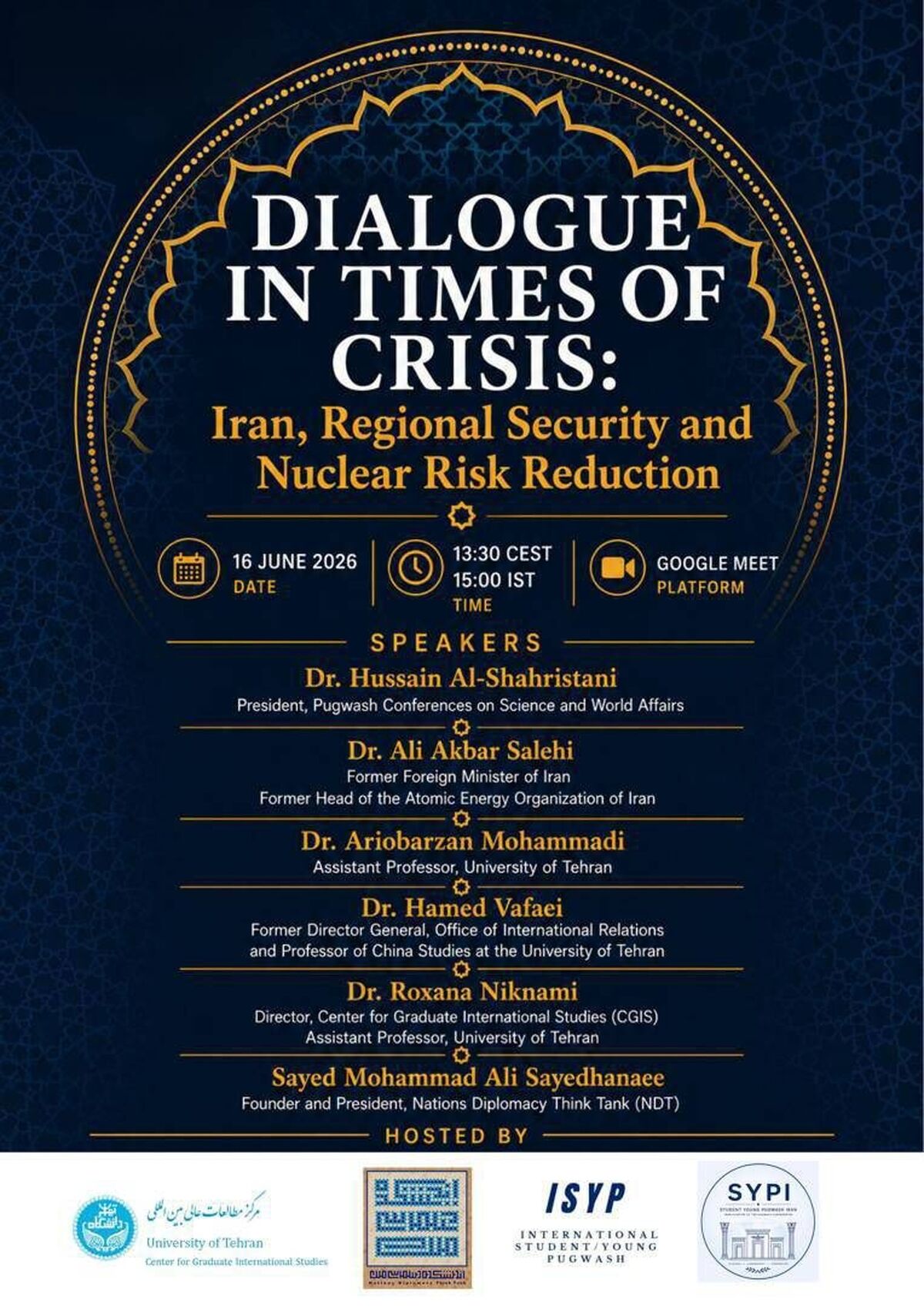
اندیشکده دیپلماسی ملل با همکاری مرکز مطالعات عالی بینالمللی دانشگاه تهران، شبکه بینالمللی جوانان پاگواش (ISYP)، و با همراهی Open Nuclear Network، وبینار بینالمللی «گفتوگو در زمانه بحران: ایران، امنیت منطقهای و کاهش مخاطرات هستهای» را در تاریخ ۲۶ خرداد ۱۴۰۵ (۱۵ ژوئن ۲۰۲۶) بهصورت برخط برگزار کرد.
این نشست بیش از دو ساعت به طول انجامید و با حضور ۱۹۰ پژوهشگر، دانشمند، دیپلمات برجسته، استاد دانشگاه و جوان از ۴۵ کشور مختلف جهان—از جمله آمریکا، بریتانیا، اتریش، روسیه، هند، پاکستان، عراق، ایران، بلژیک، آفریقای جنوبی، نیجریه، اندونزی، مراکش، مصر، ژاپن، چین، اوکراین، ارژانتین و ویتنام—همراه بود.
اهداف و محورهای اصلی وبینار
این وبینار در شرایطی برگزار شد که تحولات خاورمیانه، از جنگ و بیثباتی تا رقابتهای ژئوپلیتیک، بیش از هر زمان دیگری بر امنیت منطقهای و بینالمللی تأثیر گذاشته است. هدف نشست، بررسی نگاه نخبگان علمی و سیاستی ایران به تحولات اخیر، نقش گفتوگو در کاهش مخاطرات هستهای، و امکانهای جدید برای همکاریهای منطقهای و جهانی بود.
در ابتدای برنامه، نماینده شبکه ISYP و Open Nuclear Network بر اهمیت شنیدن تحلیلها از درون ایران و از سوی دانشگاهیان و سیاستورزان ایرانی تأکید کرد و به این نکته پرداخت که درک برداشتهای ایران از بحران، برای جامعه بینالمللی ضروری است.
سخنرانان و جایگاه آنان
وبینار با حضور و سخنرانی چهرههای برجسته علمی و دیپلماتیک برگزار شد، از جمله:
• پروفسور حسین الشهرستانی، دانشمند اتمی، رئیس کنفرانسهای پاگواش در امور علم و مسائل جهانی، وزیر اسبق آموزش عالی عراق و نایبرئیس پیشین مجلس عراق؛
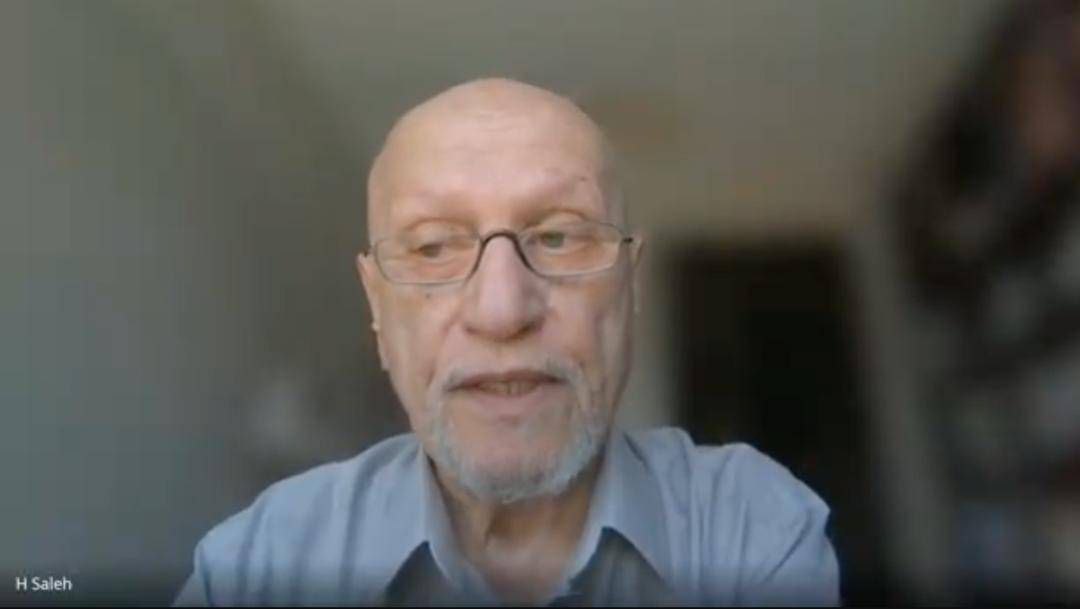
• دکتر کارن هالبرگ، دبیرکل کنفرانسهای پاگواش در امور علم و مسائل جهانی؛
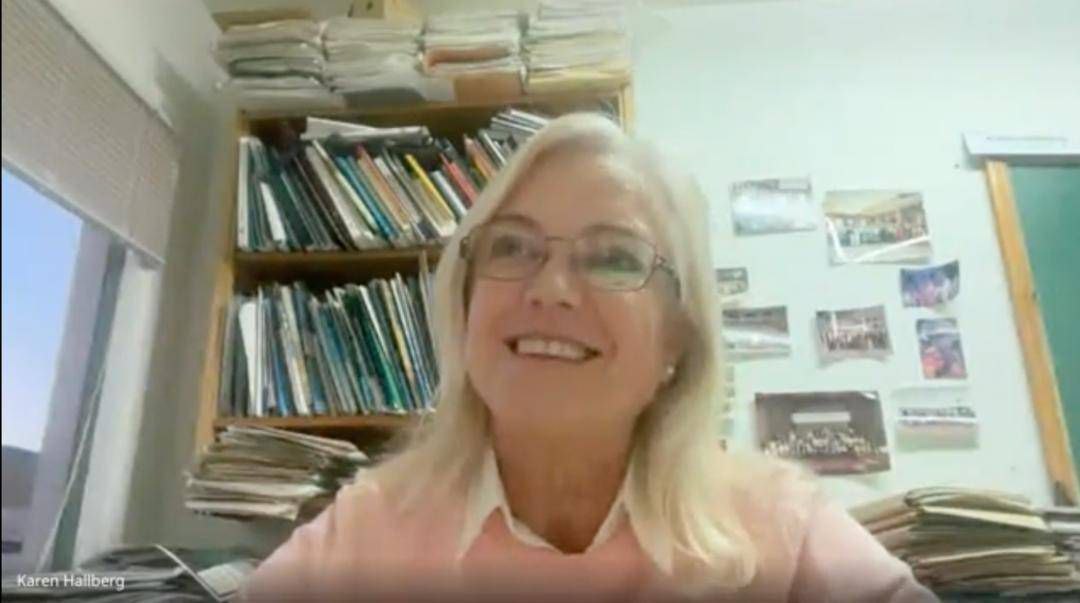
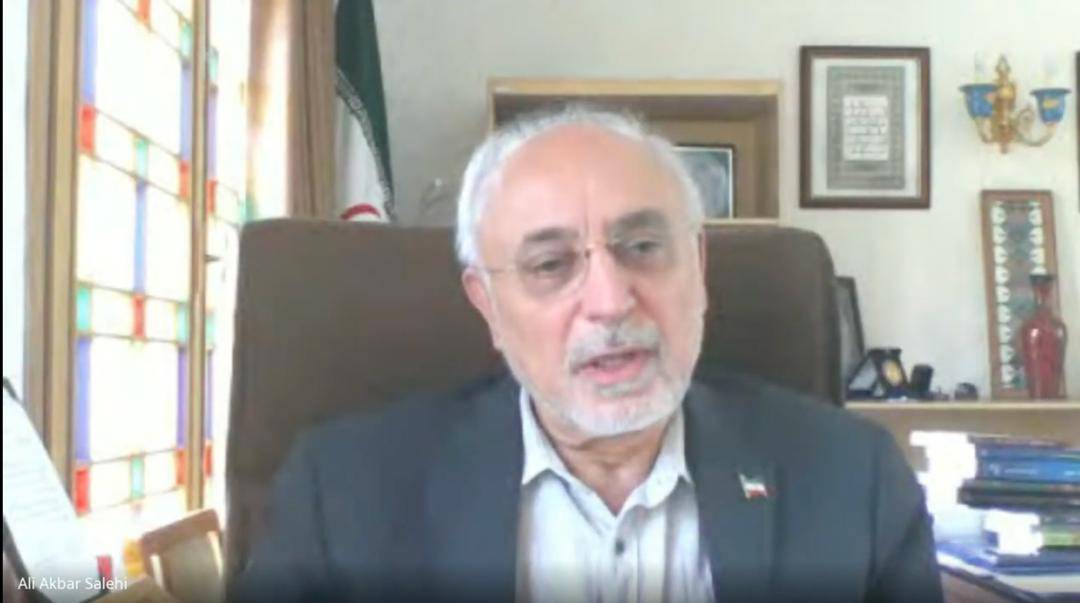
• دکتر علیاکبر صالحی، وزیر اسبق امور خارجه و رئیس پیشین سازمان انرژی اتمی ایران؛
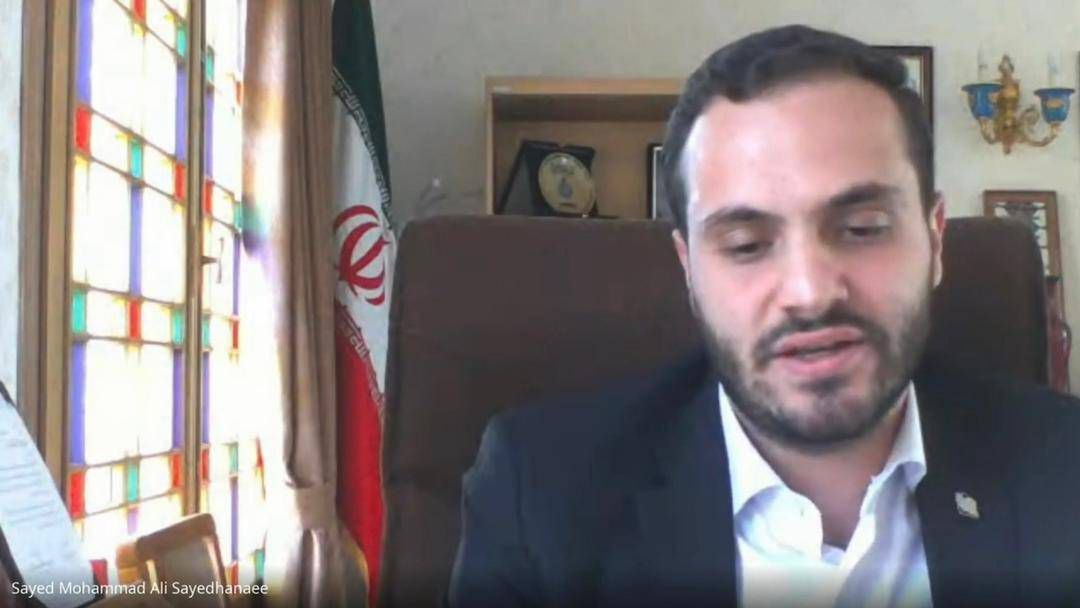
• سیدمحمدعلی سیدحنایی، موسس و رئیس هیئت امنای اندیشکده دیپلماسی ملل و کارشناس ارشد دیپلماسی؛
• دکتر آریوبرزن محمدی، استاد مطالعات خاورمیانه در دانشگاه تهران؛
• دکتر حامد وفایی، استاد مطالعات چین و مدیر پیشین روابط بینالملل دانشگاه تهران که سخنان خود را در قالب پیام ویدئویی ارائه کرد؛
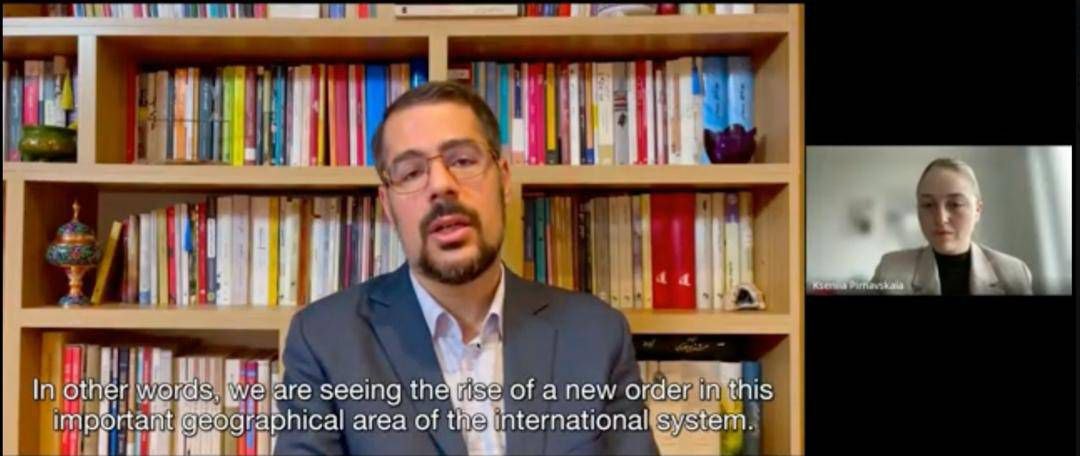
• دکتر رکسانا نیکنامی، مدیر مرکز مطالعات عالی بینالمللی دانشگاه تهران؛
تأکید پاگواش بر مسئولیت علمی و منطقه عاری از سلاح هستهای
پروفسور حسین الشهرستانی در سخنان افتتاحیه خود، ضمن خوشآمدگویی به راهاندازی فصل دانشجویی-جوانان پاگواش در ایران، بر مسئولیت اخلاقی دانشمندان در قبال استفاده صلحآمیز از علم و فناوری تأکید کرد. او با یادآوری تاریخچه شکلگیری جنبش پاگواش، تأکید کرد که علم باید در خدمت بشریت باشد و نه تهدیدی برای بقا و امنیت آن.
وی با اشاره به کاربردهای گسترده فناوری هستهای در پزشکی، کشاورزی، صنعت، محیط زیست و تولید انرژی، خاطرنشان کرد که همین ظرفیتها میتوانند در قالب سلاحهای کشتارجمعی به شدیدترین تهدید برای انسان و محیط زیست بدل شوند و از این رو، جهتدهی صلحآمیز به پیشرفت علمی، جوهره رژیم عدم اشاعه هستهای است. او سه رکن معاهده NPT—جلوگیری از اشاعه، استفاده صلحآمیز، و خلع سلاح—را بههموابسته توصیف کرد و بر اهمیت پیشبرد هر سه رکن بهصورت همزمان تأکید نمود.
الشهرستانی در ادامه به ابتکار مشترک ایران و مصر در سال ۱۹۷۴ برای ایجاد منطقه عاری از سلاح هستهای در خاورمیانه اشاره کرد و با انتقاد از کندی روند تحقق این هدف، بر ضرورت ادامه تلاش برای ایجاد منطقه عاری از سلاحهای هستهای و دیگر سلاحهای کشتارجمعی در خاورمیانه تأکید کرد. او وضعیت فعلی را دشوار اما نه بنبست توصیف کرد و تجربه سایر مناطق جهان در ایجاد مناطق عاری از سلاح هستهای را الهامبخش دانست.
نقش جوانان، علم و گفتوگو در کاهش مخاطرات هستهای
در سخنرانیهای پاگواش، بر این نکته تأکید شد که نسل جوان دانشمندان و پژوهشگران نقشی کلیدی در تقویت سه رکن NPT، توسعه فناوریهای ایمنتر، ارتقای امنیت هستهای و ایجاد اعتماد میان کشورها بر عهده دارد. پروفسور الشهرستانی و دکتر کارن هالبرگ، دبیرکل کنفرانسهای پاگواش، هر دو بر اهمیت شبکهسازی علمی، همکاریهای دانشگاهی و تبادل نسلی میان دانشمندان و دیپلماتها بهعنوان سازوکاری برای کاهش ریسکهای هستهای و مدیریت بحرانها تأکید کردند.
دکتر هالبرگ همچنین به چهار حوزه اصلی فعالیت پاگواش اشاره کرد—سلاحهای هستهای و خلع سلاح، امنیت منطقهای، سلاحهای شیمیایی و بیولوژیک، و علم و امنیت—و بر آمادگی این سازمان برای حمایت از گفتوگو و ابتکارات اعتمادسازی در ایران، خاورمیانه و فراتر از آن تأکید کرد.
دکتر صالحی: «هیچ بدیل پایداری برای گفتوگو وجود ندارد»
بخش مهمی از وبینار به سخنان دکتر علیاکبر صالحی اختصاص داشت؛ او در این نشست، گفتوگو را نه یک گزینه دانشگاهی، بلکه «ضرورت راهبردی» معرفی کرد. وی با اشاره به بحرانها و جنگهای اخیر در خاورمیانه، یادآور شد که امنیت پایدار از مسیر قدرت سخت بهتنهایی حاصل نمیشود و اعتماد، فهم متقابل و گفتوگوی معنادار پیششرط هر صلح پایدار است.
جامعه مدنی، دیپلماسی غیررسمی و نسل جدید کنشگران
سیدمحمدعلی سیدحنایی، موسس و رئیس هیئت امنای اندیشکده دیپلماسی ملل و کارشناس ارشد دیپلماسی، در سخنان خود با تکیه بر سالیان فعالیت در حوزه دیپلماسی غیررسمی (Track Two)، برگزاری گفتوگوها، برنامههای آموزشی و دیپلماسی جوانان، بر ظرفیت جامعه مدنی و نهادهای علمی ایران برای حفظ کانالهای گفتوگو حتی در اوج تنشهای سیاسی تأکید کرد.
او یادآور شد که صلح و امنیت پایدار فقط محصول توافقهای دولتی نیست، بلکه بر شبکهای از اعتماد، روابط انسانی، و گفتوگوهای بلندمدت میان دانشگاهیان، پژوهشگران، دانشجویان و جوانان دیپلمات استوار است. سیدحنایی بر اهمیت پرورش نسل جدید پژوهشگران، دیپلماتها و کنشگران دیپلماسی تأکید کرد که میتوانند در کاهش سوءتفاهمها و شکلدادن به همکاریهای آینده نقشآفرین باشند.
به باور او، دیپلماسی غیررسمی (Track Two) جایگزین دیپلماسی رسمی نیست، بلکه مکمل ضروری آن است؛ فضایی که در آن دانشگاهیان، پژوهشگران و فعالان جامعه مدنی میتوانند پیش از مذاکرات رسمی یا همزمان با آن، فهم متقابل و راهحلهای مشترک را شکل دهند. او تأکید کرد که سالهای اخیر نشان داده چنین فضاهایی بهویژه در دورههای تنش اهمیت دوچندانی مییابند، چرا که کانالهای رسمی غالباً محدود یا متوقف میشوند، اما شبکههای غیررسمی میتوانند ارتباط را حفظ کنند.
او همچنین از ضرورت سرمایهگذاری در آموزش نسل جدید دیپلماتها و پژوهشگران سخن گفت و یادآور شد که آینده دیپلماسی منطقه تا حد زیادی به وجود گروهی از افراد آموزشدیده و باتجربه در حوزه گفتوگو و حل تعارض بستگی دارد. به باور او، چنین سرمایهگذاری باید هم در سطح ملی و هم بینالمللی، و با مشارکت نهادهای دانشگاهی، پژوهشی و مدنی صورت گیرد.
دگرگونی بازدارندگی هستهای و ضرورت گفتوگوی منطقهای
دکتر آریوبرزن محمدی از منظر امنیت منطقهای به تحولات اخیر پرداخت و استدلال کرد که در سه سال اخیر، «اسطوره بازدارندگی مطلق سلاح هستهای» تضعیف شده است. او با اشاره به جنگ روسیه–اوکراین، تنشهای پاکستان–افغانستان و رویارویی مستقیم ایران و اسرائیل، خاطرنشان کرد که برخورداری از سلاح هستهای مانع حملات متقابل و عملیات نظامی متعارف نشده است.
بهزعم او، هزینههای مادی و اخلاقی بهکارگیری سلاح هستهای، همراه با تحول گفتمانی و تقویت هنجارهای ضدسلاح هستهای، استفاده از این سلاحها را—حتی در اوج بحران—بهشدت نامحتمل کرده است. او این تحول را نتیجه دههها تلاش نهادهایی مانند پاگواش در برجستهسازی پیامدهای انسانی و زیستمحیطی سلاحهای هستهای دانست.
محمدی در ادامه استدلال کرد که هم ایران و هم کشورهای عربی به محدودیتهای اتکای صرف بر سلاحهای متعارف و بازدارندگی هستهای، و نیز به محدودیتهای اتکای انحصاری به قدرتهای فرامنطقهای، پی بردهاند. به باور او، جغرافیا و تاریخ مشترک، کشورهای منطقه را ناگزیر به گفتوگوی مستقیم و طراحی نظم امنیتی بر پایه «همسرنوشتی» میکند، نه بازی جمع صفر.
ایران، چین و نظم نوظهور شرقی
دکتر حامد وفایی در پیام ویدئویی خود به تبیین جایگاه ایران در تعامل با چین و نقش پکن در نظم در حال ظهور آسیایی پرداخت. او ضمن اشاره به تعمیق روابط ایران و چین، بر ظرفیت دیپلماسی علمی، دانشگاهی و اقتصادی میان دو کشور تأکید کرد و بر این نکته انگشت گذاشت که درک متقابل تهران–پکن، بخشی جداییناپذیر از معادله امنیت و توسعه در اوراسیا و خاورمیانه است.
جمعبندی: گفتوگو بهمثابه ضرورت راهبردی
این وبینار در حالی پایان یافت که شرکتکنندگان—از ایران و سایر کشورها—بر یک نکته کلیدی اتفاقنظر داشتند: در عصر بحرانهای درهمتنیده، از مخاطرات هستهای تا جنگهای منطقهای و تحول فناوری، گفتوگو نه یک «خوشبینی آرمانگرایانه»، بلکه ضرورتی راهبردی است. در طول نشست بارها تأکید شد که هیچ کشوری نمیتواند امنیت پایدار خود را بر ناامنی دیگران بنا کند و سرمایهگذاری بر نسل جوان، دانشگاهها، علم و دیپلماسی چندسطحی، مهمترین تضمین برای آیندهای امنتر و انسانیتر در خاورمیانه است.
English Version – Media-Oriented Report
Report on the International Webinar “Dialogue in Times of Crisis: Iran, Regional Security, and Nuclear Risk Reduction”
The Nations Diplomacy Think Tank (NDT), in cooperation with the Center for Advanced International Studies at the University of Tehran, the International Student/Young Pugwash (ISYP), and with the support of Open Nuclear Network, held the international webinar “Dialogue in Times of Crisis: Iran, Regional Security, and Nuclear Risk Reduction” online on 15 June 2026. The event lasted for over two hours and brought together 190 researchers, scientists, distinguished diplomats, academics, and young professionals from 45 countries around the world — including the United States, the United Kingdom, Austria, Russia, India, Pakistan, Iraq, Iran, Belgium, South Africa, Nigeria, Indonesia, Morocco, Egypt, Japan, China, Ukraine, Argentina, and Vietnam.
Purpose and main themes
The webinar was convened at a moment when war, instability, and strategic rivalry in the Middle East were deeply affecting both regional and international security. Its main objective was to present and discuss Iranian scholarly and policy perspectives on the ongoing crises, to explore the role of dialogue in reducing nuclear risks, and to examine emerging opportunities for regional and global cooperation.
In her opening remarks, the representative of ISYP and Open Nuclear Network underlined that understanding how developments are perceived from within Iran, and by Iranian scholars and practitioners, is essential for any meaningful international engagement on Middle East security.
High-level speakers and participants
The webinar featured a distinguished line-up of speakers from Iran and the wider Pugwash community, including:
• Professor Hussain Al-Shahristani, nuclear scientist, President of Pugwash Conferences on Science and World Affairs, former Minister of Higher Education and Scientific Research of Iraq, and former Deputy Speaker of the Iraqi Council of Representatives;
• Dr. Karen Hallberg, Secretary-General of Pugwash Conferences on Science and World Affairs;
• Dr. Ali Akbar Salehi, former Minister of Foreign Affairs of Iran and former Head of the Atomic Energy Organization of Iran;
• Sayed Mohammad Ali Sayedhanaee, Founder and Chairman of the Board of Trustees of the Nations Diplomacy Think Tank and Senior Diplomacy Expert;
• Dr. Ariobarzan Mohammadi, Professor of Middle Eastern Studies at the University of Tehran;
• Dr. Hamed Vafaei, Professor of Chinese Studies and former Director-General for International Relations at the University of Tehran, who contributed via a pre-recorded video message;
• Dr. Roxana Niknami, Director of the Center for Advanced International Studies at the University of Tehran;
Pugwash perspective: science, ethics, and a WMD-free Middle East
In his keynote address, Professor Al-Shahristani welcomed the inauguration of the Iranian Student/Young Pugwash chapter and recalled the origins of the Pugwash movement as a global network of scientists committed to ensuring that scientific knowledge serves humanity rather than threatens its survival. He highlighted both the beneficial applications of nuclear technology in medicine, agriculture, industry, environmental protection, and low-carbon energy, and the catastrophic humanitarian and environmental consequences associated with nuclear weapons.
He stressed that the core challenge was not whether scientific progress should continue, but how to ensure that it remains firmly directed toward peaceful and beneficial purposes, which is the essence of the nuclear non-proliferation regime. Referring to the Treaty on the Non-Proliferation of Nuclear Weapons (NPT), he described its three pillars—non-proliferation, peaceful uses, and disarmament—as mutually reinforcing and emphasized that lasting non-proliferation is unattainable without credible progress on nuclear disarmament and accessible peaceful nuclear cooperation.
Professor Al-Shahristani recalled that Iran and Egypt jointly introduced the first UN resolution calling for a Middle East Nuclear-Weapon-Free Zone in 1974, and that this idea has since received broad support in the UN General Assembly and within the NPT framework. While acknowledging slow and uneven progress and Israel's continued opposition, he argued that the vision of a Middle East free of nuclear weapons remains both necessary and achievable through perseverance, dialogue, and regional leadership.
Young scientists, nuclear risk reduction, and the role of dialogue
Both Professor Al-Shahristani and Dr. Karen Hallberg, Secretary-General of Pugwash, underscored the critical role of young scientists, researchers, and professionals in strengthening the NPT pillars, developing safer nuclear technologies, improving nuclear security, and building trust among states. They stressed that scientific collaboration, academic exchanges, and professional networks often keep channels of communication open even when political relations are strained, thereby helping to reduce nuclear risks and prevent miscalculation.
Dr. Hallberg also outlined Pugwash's four main program areas—nuclear weapons and disarmament, regional security, chemical and biological weapons, and science and security—and reiterated the organization's readiness to support dialogue and confidence-building initiatives in Iran, the Middle East, and beyond.
Dr. Salehi: diplomacy as a strategic necessity
A central part of the webinar was devoted to the remarks of Dr. Ali Akbar Salehi, who drew on his dual experience as a scientist and as a senior diplomat. He argued that in a region experiencing profound instability, humanitarian suffering, and escalating security concerns, sustainable security cannot be achieved by force alone. In his words, dialogue is not a luxury or an academic exercise, but a strategic necessity for crisis management and conflict resolution.
Civil society, track-two diplomacy, and the next generation
In his closing remarks, Sayed Mohammad Ali Sayedhanaee, Founder and Chairman of the Board of Trustees of the Nations Diplomacy Think Tank and Senior Diplomacy Expert, drew on his own years of experience in track-two diplomacy and youth diplomacy — including convening dialogues, training programs, and youth diplomacy initiatives that have connected thousands of students, researchers, and young professionals with international experts in recent years. He emphasized that, especially when official channels are limited or politicized, track-two diplomacy and people-to-people engagement can preserve communication, foster understanding, and gradually build trust.
He noted that sustainable peace and security are not solely the product of government agreements, but rest on a network of trust, human relationships, and long-term dialogue among academics, researchers, students, and young diplomats. He emphasized the importance of nurturing a new generation of researchers, diplomats, and dialogue practitioners who can help reduce misunderstandings and help shape future cooperation.
In his view, track-two diplomacy is not a substitute for official diplomacy but a necessary complement to it — a space where academics, researchers, and civil society actors can build mutual understanding and explore solutions ahead of, or alongside, formal negotiations. He argued that recent years have shown such spaces to be especially valuable in periods of tension, when official channels are often constrained while informal networks can keep communication alive.
He also spoke of the need to invest in training the next generation of diplomats and researchers, noting that the future of regional diplomacy depends heavily on a pool of people who are skilled and experienced in dialogue and conflict resolution. In his view, such investment should take place at both the national and international levels, with the involvement of academic, research, and civil society institutions.
A shifting deterrence landscape and the case for regional dialogue
Dr. Ariobarzan Mohammadi approached the topic from a broader regional security angle, arguing that recent conflicts had exposed the limits of nuclear deterrence and what he called the “myth of the nuclear bomb's absolute deterrent power.” He pointed to Russia's inability to prevent Ukrainian strikes on its territory despite its massive nuclear arsenal, to tensions between Pakistan and Afghanistan, and to Iran's direct retaliation against Israel notwithstanding Israel's assumed nuclear capability.
According to Dr. Mohammadi, the main constraints on nuclear use today are not only material—radiation, human casualties, and economic devastation—but also political and ethical, shaped by decades of advocacy by institutions such as Pugwash that have helped to delegitimize nuclear weapons in global discourse. He argued that both Iran and Arab states have come to recognize the limits of relying solely on conventional or nuclear deterrence and the limits of outsourcing their security to external powers.
He concluded that geography and shared history are pushing regional actors toward more direct engagement and that durable security in the Middle East requires structured dialogue between Iran and its Arab neighbors, aimed at avoiding catastrophic war and building interdependence.
Iran, China, and the emerging Eastern geopolitical landscape
In his video message, Dr. Hamed Vafaei discussed Iran's evolving relationship with China and Beijing's broader role in the region. He underlined the growing importance of scientific, academic, and economic diplomacy between Iran and China and described Iran's participation in emerging Eastern frameworks as a key element in its long-term strategic outlook.
Conclusion: dialogue in times of crisis
The webinar concluded with a strong shared message from speakers and participants: in an era of interconnected crises—from nuclear risks and regional wars to technological disruption—dialogue is a strategic necessity rather than a symbolic gesture. Investing in young people, universities, science, and multi-level diplomacy was widely seen as one of the most effective long-term safeguards against escalation and as a foundation for a more peaceful, just, and humane future for the Middle East and the wider international community.










دیدگاه تان را بنویسید